Cambodia and the AIIB engage in high-level discussions regarding a $2 billion strategic cooperation framework
| News Highlights |
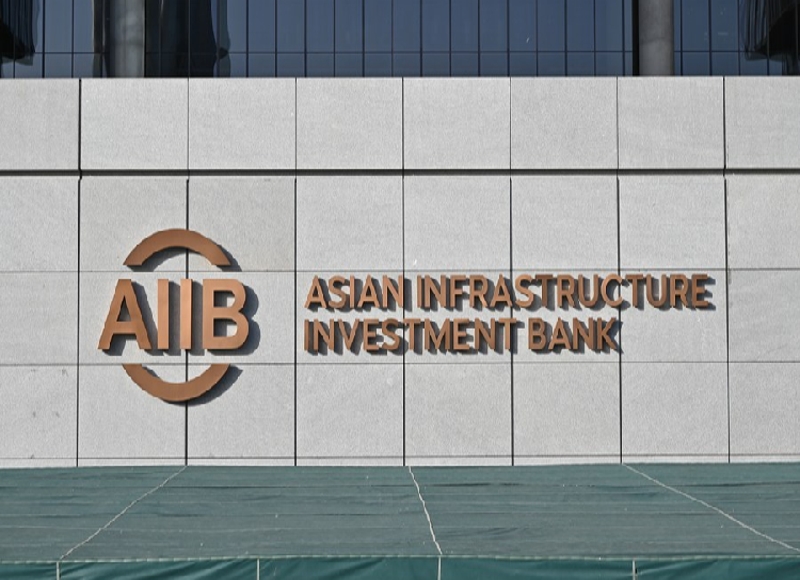
Cambodia and the AIIB engage in high-level discussions regarding a $2 billion strategic cooperation framework A high-level AIIB delegation, led by President Zou Jiayi, concluded a two-day visit to Cambodia to solidify a $2 billion Country Cooperation Framework (CCF) for 2026–2030. Discussions with Prime Minister Hun Manet and Finance Minister Aun Pornmoniroth focused on clean energy transition, climate resilience, and regional connectivity. The framework aligns with Cambodia's goal to reach 70% renewable energy by 2030. To mitigate global energy disruptions, the government is offering fiscal incentives for green tech, while the AIIB pledged innovative financing tools and policy-based loans. As a founding member, Cambodia remains a strategic partner, seeking to leverage this multi-billion dollar investment to modernize logistics and water management while ensuring long-term fiscal sustainability. (Source: Khmer Times)
Angkor Wat records 32% drop in international tourists in Q1 Revenue from ticket sales at Angkor Wat decreased significantly in Q1 2026, with international tourist numbers down by approximately 32% compared to the previous year, raising concerns for local businesses dependent on tourism. Ticket sales yielded nearly $13.1 million, a 30% year-on-year decline, as rising flight costs and global economic pressures have affected foreign arrivals. The Ministry of Tourism is promoting Cambodian tourism through various initiatives, including the Green Season campaign and a pilot visa waiver for Chinese citizens. Angkor Archaeological Park, a UNESCO World Heritage site, continues to attract visitors, although the numbers remain low. (Source: Khmer Times)
Foodpanda allocates $67,000 monthly rider support as Cambodia grapples with surging fuel prices Foodpanda Cambodia has initiated a rider relief program, allocating a monthly incentive of $67,000 in response to rising fuel prices, which have sharply increased due to ongoing global conflicts. The company will absorb increased operational costs to shield delivery partners, vendors, and customers from price hikes, ensuring continued access to essential goods. However, the scale of the incentive raises concerns about its effectiveness relative to the number of riders, many of whom face significant financial pressure from fuel costs. The program builds on existing support measures and aims to stabilize the delivery economy amid broader economic challenges linked to volatile global energy prices. This initiative is part of foodpanda's commitment to its ecosystem since its entry into Cambodia in 2019, targeting both immediate relief and potential longer-term shifts towards reduced fuel dependency through electric vehicle partnerships. (Source: Cambodia Investment Review)
